The NFL community is mourning the heartbreaking loss of a young child to drowning. We extend our deepest sympathies to the family, their loved ones, teammates, and everyone affected by this tragedy.
As an organization dedicated to water safety, moments like this are a painful reminder of something those of us in this field know all too well: drowning can affect any family, regardless of resources, background, or how careful they are. It happens quickly and quietly, and no single action can eliminate the risk entirely. That’s why drowning prevention relies on multiple layers of protection working together.
Learning to Swim Is an Essential Life Skill
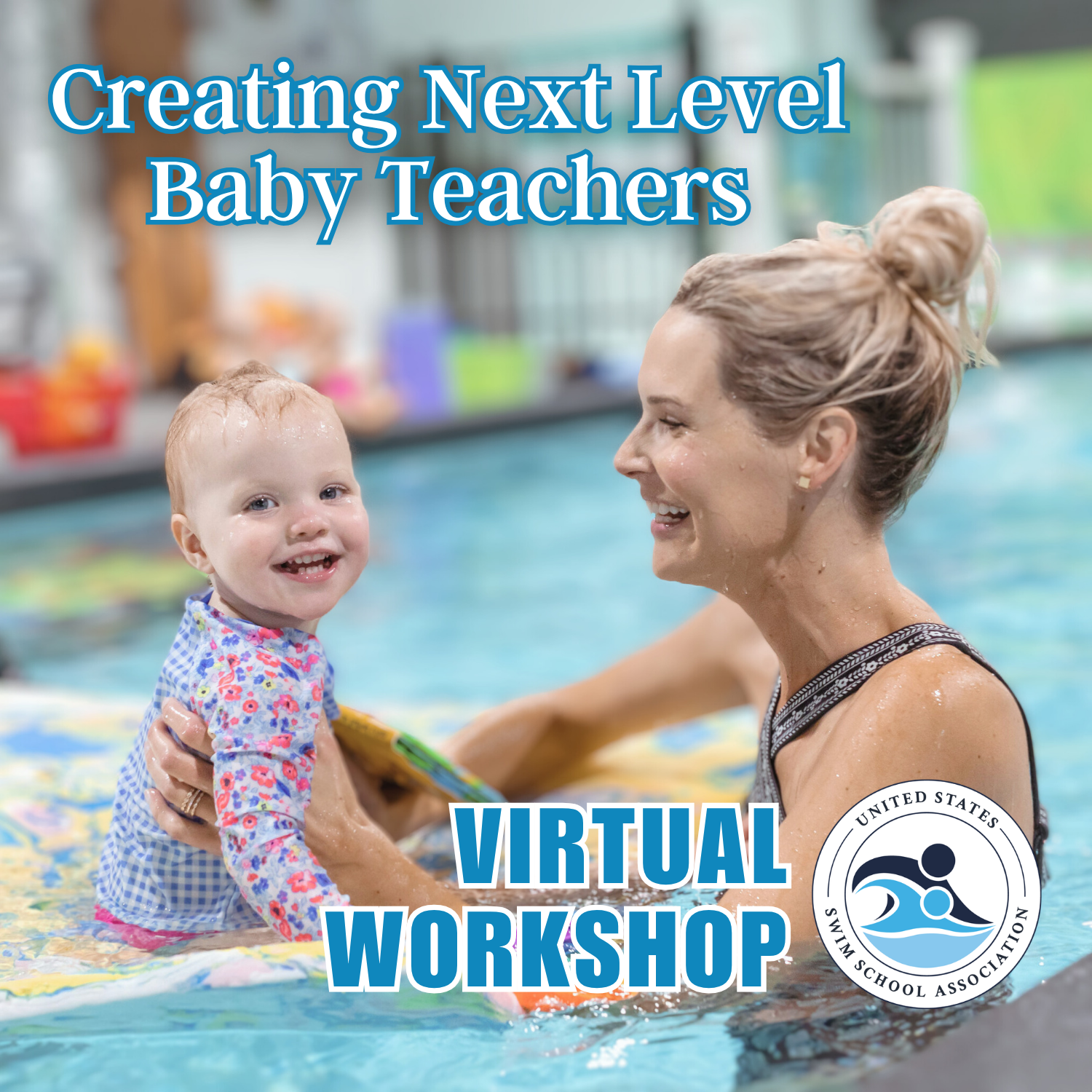
Learning to swim and developing water competency are important layers of protection. The American Academy of Pediatrics recommends that swim lessons begin after a child’s first birthday, and that all children ultimately learn to swim, with continued lessons as they grow to build on those skills.
Water competency goes beyond simply being comfortable in the water. It includes swimming skills as well as the judgment to anticipate and avoid dangerous situations and respond appropriately in and around water. Swimming skills alone, however, cannot prevent every drowning, they should always be part of a broader approach to water safety.
Layers of Protection Save Lives
Families can help reduce drowning risk by using multiple layers of protection, including:
- Swimming skills and water competency — Help children learn to swim and continue lessons until they develop strong, age-appropriate skills.
- Active, attentive supervision — Children in and around water need close, constant, and capable adult supervision.
- Barriers to unintended water access — Four-sided pool fencing that completely separates the pool from the home and yard can help prevent a child from reaching the water unnoticed.
- Life jackets — Properly fitted, U.S. Coast Guard-approved life jackets provide another important layer, particularly around natural bodies of water and during boating.
- Emergency preparedness — Parents, caregivers, and others who spend time around water should know CPR and how to respond to a water emergency. The American Red Cross offers CPR courses in most communities.
No single layer replaces another. A child who knows how to swim still needs supervision. A fenced pool doesn’t eliminate the need for swimming skills. The strongest approach is one where multiple layers work together.
A Note on How We Talk About Drowning
Conversations about water safety following a tragedy must always be approached with compassion. A drowning should never become an occasion to assign blame or make assumptions about a family’s circumstances.
What these moments can do is remind all of us of the importance of water safety, and give us an opportunity to help more children gain access to lifesaving swimming skills. The cost of lessons can be a real barrier for some families. For those who feel moved to help, two nonprofit organizations provide ways to support swim lessons for children who otherwise may not be able to afford them:
Every Child a Swimmer helps fund swimming lessons for children across the country in need of access to this essential life skill.
Support Every Child a Swimmer
Hope Floats Foundation provides scholarships for swim lessons to children in families with financial need through participating swim schools.
Support Hope Floats Foundation
Our hearts are with the family and all those mourning this devastating loss. May moments like this strengthen our collective commitment to ensuring more children have the opportunity to learn to swim and helping families understand the many layers that can keep children safer around water.