When you take a moment to do some digging, you can find research papers that discuss when is a good time to start swim lessons. The United States Swim School Association strongly believes that babies, toddlers and children of all ages should participate in swim lessons in a high quality aquatics program. A child of any age will never be completely “drownproof” or “watersafe,” however we can teach our children and families to be safer around the water. Keep in mind that the foundation to stroke instruction ie. learning to swim starts with instruction around water competency.
Below we share links to important research studies that show starting children early can increase their water competency and skills. And with more children ages 1-4 dying from drowning than any other cause of death, swimming is an important lifesaving skill to have.
CHOOSING A SWIM SCHOOL
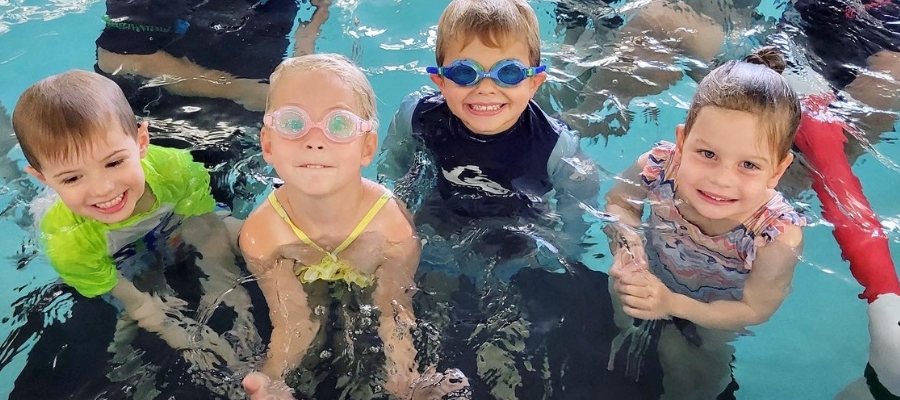
Learning to swim can reduce the risk of drowning by 88% if children participate in formal swimming lessons between ages 1 – 4. Swimming has also shown to improve sleep quality, increase cognitive skills development, and offer a healthy activity for growing bodies. But where do you start in looking for a swim school?
WHY CHOOSE A USSSA MEMBER FACILITY?
USSSA has grown over the last 35 years to become the largest swim school association in the country. We believe learning should be delivered in a systematic, intentional way, planned and guided by a trained instructor. Our member programs are held to a high degree of excellence and must meet our rigorous set of standards.
FROM SWIMMING SKILL TO WATER COMPETENCE
To describe and provide research evidence regarding what physical, cognitive, & affective competencies contribute to a person’s water competence & reduce the risk of drowning.
AQUATIC COMPETENCIES AND DROWNING PREVENTION IN CHILDREN 2–4 YEARS
“The younger the age at which children started lessons, the earlier the child was able to attain aquatic competencies within their developmental capabilities.”
A NON-RANDOMIZED PILOT STUDY ON THE BENEFITS OF BABY SWIMMING ON MOTOR DEVELOPMENT WHAT AGE TO START LESSONS
“This pilot study showed, for the first time, a potential link between infant motor development and neonatal aquaticity.”
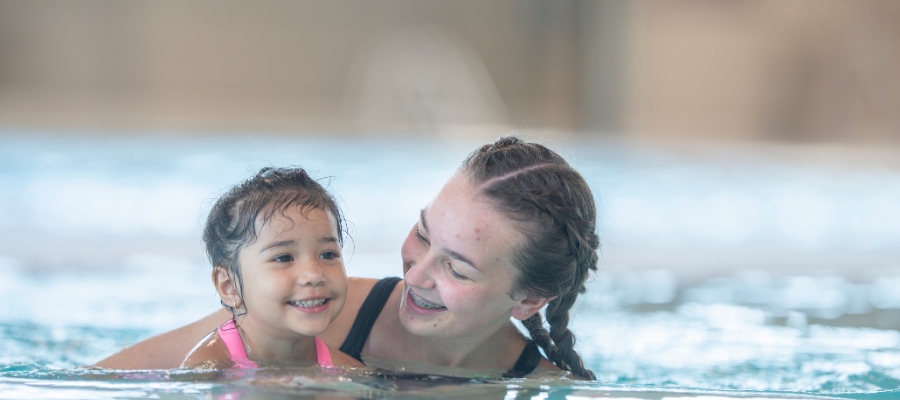
ASSOCIATION BETWEEN SWIMMING LESSONS AND DROWNING IN CHILDHOOD
“Participation in formal swimming lessons was associated with an 88% reduction in the risk of drowning in the 1- to 4-year-old children”

CDC DROWNING FACTS
“In the United States: More children ages 1–4 die from drowning than any other cause of death.”
AMERICAN ACADEMY OF PEDIATRICS
“Recent studies suggest that water survival skills training and swim lessons can help reduce drowning risk for children between ages 1-4. Classes that include both parents and their children also are a good way to introduce good water safety habits and start building swim readiness skills. If your child seems ready, it’s a good idea to start lessons now.”
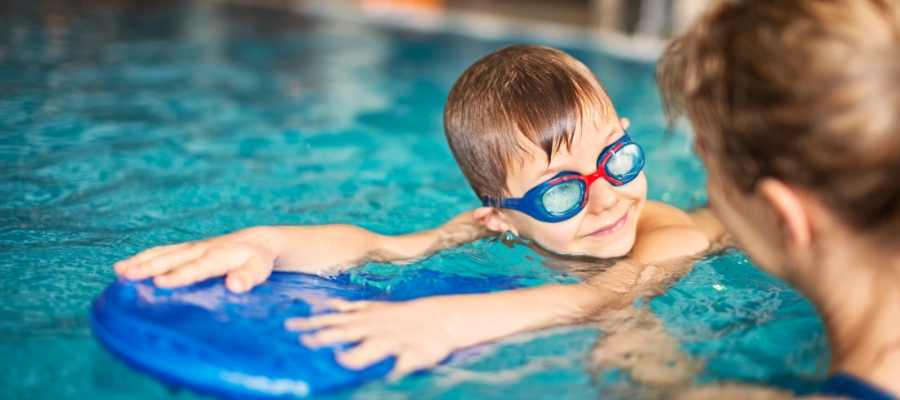
USSSA STANCE ON SWIM LESSONS FOR BABIES, TODDLERS, AND CHILDREN
The United States Swim School Association strongly believes that babies, toddlers and children of all ages should participate in swim lessons in a high quality aquatics program.
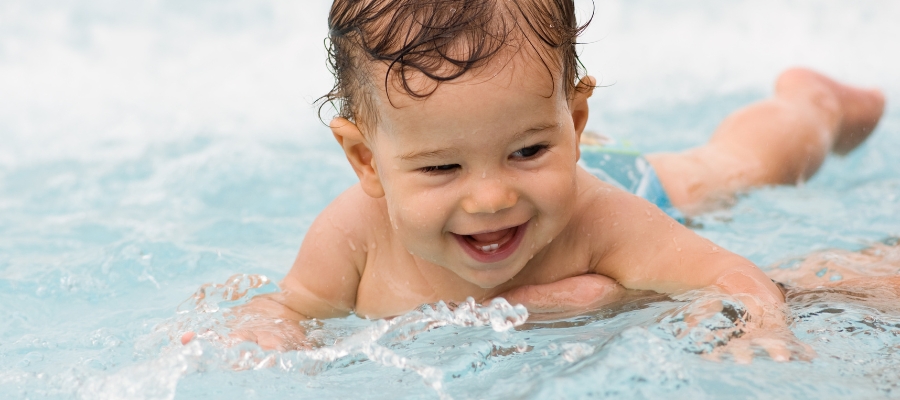
USSSA GUIDELINES FOR BABIES AND TODDLERS LESSONS
The United States Swim School Association has established guidelines that are the foundation of our Infant Toddler Course instruction for swim instructors.
Water Safety and Parent Resource News

The Risks of Floatie Overuse
With summer in full swing, now is a great time to revisit an important water safety topic: floaties. The United [...]

Which Swimsuit Colors Can Help Reduce Drowning Risk
As temperatures rise and families prepare for summer, there’s one life-saving detail that most parents overlook when buying kids’ swimwear: [...]

SWIM Act Allowing Pre-Tax Dollars for Lessons
Advocating for Water Safety on Capitol Hill: USSSA at Hill Day This spring, USSSA proudly joined partners from across the [...]

Every Child a Swimmer Legislation
Advancing Water Safety: USSSA’s Support of Every Child a Swimmer Legislation to Provide Water Safety Education with School Enrollment Drowning [...]

New Parent Water‑Safety Video Law
New York Enacts First‑in‑the‑Nation Legislation Requiring New Parents to View Water‑Safety Video Before Leaving Hospital In a historic effort to [...]

Building Confidence Through Swim Lessons
Learning to swim is more than just a vital life skill; it’s a powerful confidence-builder that sets children up for [...]