Your First Job Might Be In a Swimsuit:
What New Swim Instructors Need to Know
For many swim instructors, working at a swim school isn’t just their first time teaching.
It might be their first job ever.
That means you’re learning a lot more than how to teach a streamline or help a nervous swimmer put their face in the water. You’re learning how to communicate with coworkers, talk to parents, manage challenging moments, take feedback, show up professionally, and become someone others can count on.
That’s a lot to figure out. The good news? No one expects you to know everything on day one.
Here are a few things worth knowing as you get started.
You Don’t Have to Know Everything
You finished your training. You’ve practiced. And now there are actual kids standing in front of you waiting for you to teach them. It’s normal to feel a little unsure at first. Great instructors aren’t the ones who never have questions. They’re the ones who ask questions, accept feedback, and keep learning. Watch experienced instructors. Ask why they handled a situation a certain way. If something happens during a lesson and you aren’t sure what to do, ask your supervisor.
Confidence doesn’t mean knowing everything. It comes from gaining experience and realizing you can handle more than you could a month ago.
Kids Aren’t Going to Follow Your Lesson Plan
You can have the perfect lesson planned, and then…
One swimmer refuses to get in.
Another wants to tell you an eight-minute story about their dog.
Someone suddenly needs the bathroom.
And the skill that worked perfectly yesterday is apparently absolutely impossible today.
Welcome to teaching kids.
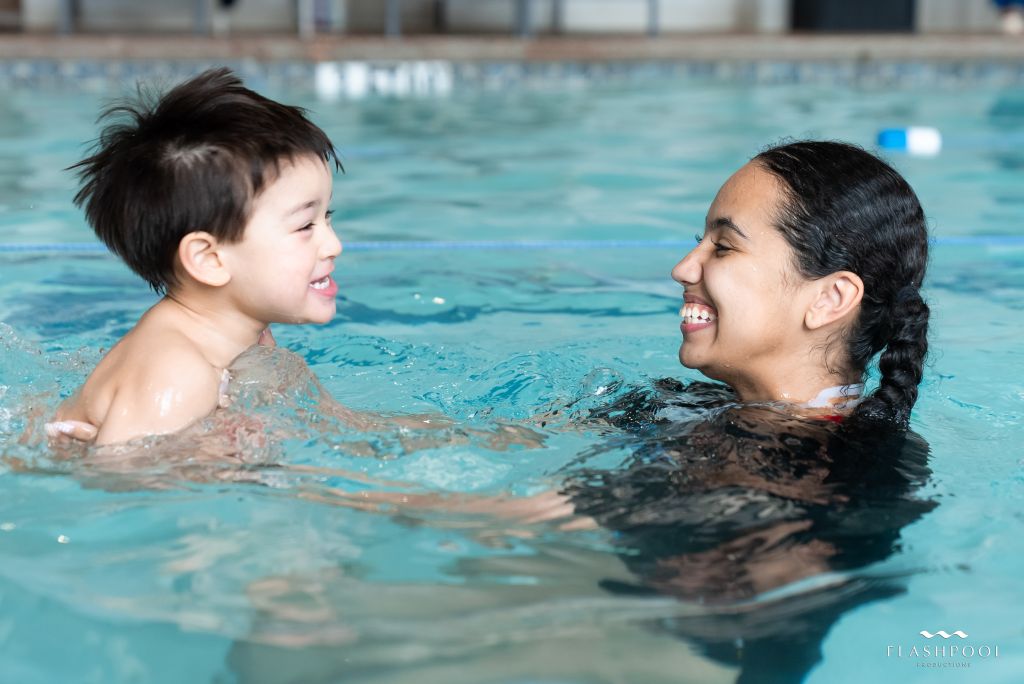
Learning to adjust is part of becoming a great instructor. Sometimes the best thing you can do is change the activity, turn a skill into a game, give a swimmer a quick reset, or meet them where they are that day.
Your lesson plan is important, but your ability to connect with the child in front of you is even more important.
Your Coworkers Can Make the Job So Much Better
Some of the best parts of your first job may happen outside your own lane. Your coworkers understand what it’s like when a lesson goes sideways. They can give you ideas for the swimmer you’ve tried everything with, celebrate when that nervous swimmer finally jumps in, and help make a long shift a whole lot more fun.
Be the kind of coworker you’d want beside you. Help when you can. Communicate. Don’t leave someone else to clean up your mess. Stay out of workplace drama. Give people credit. Ask for help when you need it, and offer it when you see someone else struggling.
You don’t have to be best friends with everyone you work with. But learning how to work well with different personalities is a skill you’ll use for the rest of your career, wherever it takes you.
Parents Aren’t as Scary as They Seem
Talking to parents can be intimidating when you’re new, especially if you’re young. Remember: you’re the instructor. You don’t need to have a long conversation after every lesson. Start simple.
“Emma worked really hard on her back float today.”
“Jackson put his face in without goggles for the first time!”
“We’re still working on keeping those legs straight, but he’s making progress.”
Clear, confident communication builds trust. And if a parent asks something you don’t know how to answer? You don’t have to make something up. It’s perfectly professional to say you’ll check with your supervisor.
Feedback Isn’t a Sign You’re Bad at Your Job
A manager correcting you can feel uncomfortable, especially when you’re trying really hard. Try to look at feedback differently. Someone taking the time to coach you means they’re helping you become better at what you do. Maybe your class management needs work. Maybe you need to give clearer directions. Maybe there’s a safety procedure you missed. Listen, ask questions and try it differently next time. You won’t become a great instructor because you did everything perfectly from the beginning. You’ll become one because you kept getting better.
The Little Things Are Actually Big Things
Showing up on time matters. Putting your phone away matters. Knowing your swimmers’ names matters. Cleaning up equipment matters. Being ready before your lesson starts matters. Helping without being asked matters. Following through when you say you’re going to do something matters. These things may seem small, but they’re how you build a reputation as someone your coworkers and managers can depend on. That’s professionalism, and you’re learning it right now.
You’re Doing Work That Matters
There will probably be days when you’re tired, wet, cold, and wondering how there can possibly be that much water on the pool deck. Then a swimmer who’s been afraid for weeks will finally put their face in. A child will swim independently for the first time. A parent will tell you their child talked about you all week. You’ll realize that the swimmer who wouldn’t even get in the pool when you first met now trusts you completely. Those moments are a reminder that this isn’t just a first job.
You’re teaching children skills that can help keep them safer around water. You’re building their confidence. You’re showing them that they can do hard things. And while you’re teaching them, you’re learning a few things yourself. How to communicate. How to lead. How to solve problems. How to work with a team. How to accept feedback. How to be responsible for something bigger than yourself.
Someday, you may look back and realize that your first job taught you a whole lot more than you expected. Even if you spent most of it in a swimsuit.